


Jomashop - Shop Luxury Fashion
4.7429.00 Reviews
App Specs
- Version
- 92
- Updated On
- License
- Free
- Downloads
- 100,000+
- Developer
- Jomashop Inc.
- Categories
- Shopping
- Platform
- Android
Screenshots
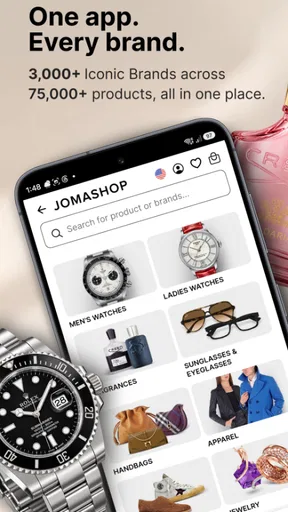
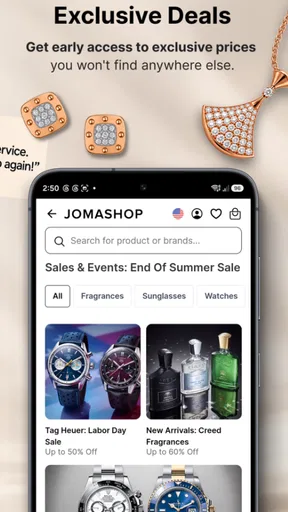
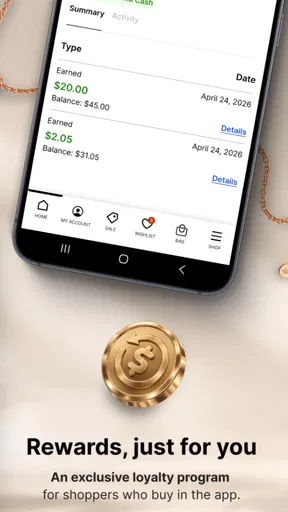
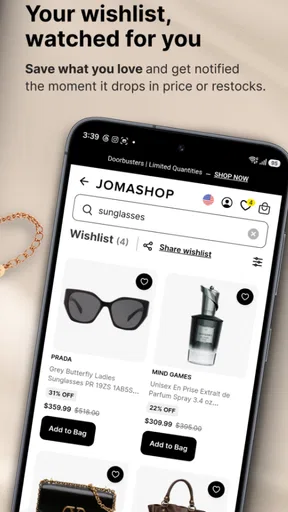
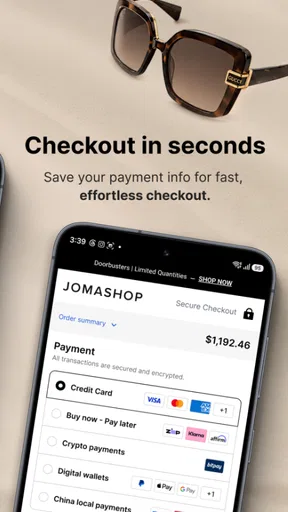
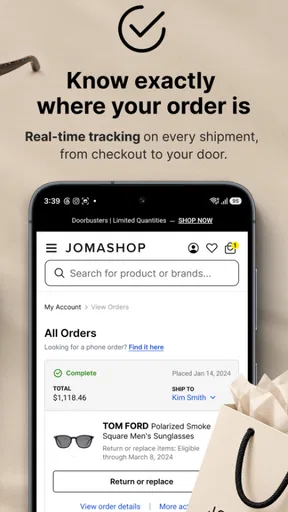
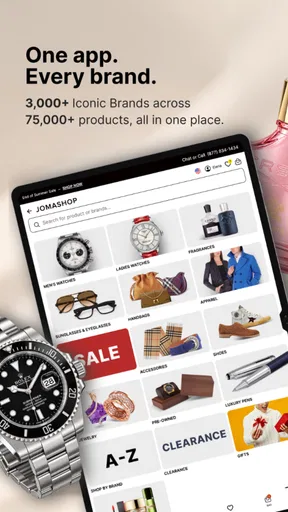
 Analysis by AppCompare
I approached Jomashop - Shop Luxury Fashion as a practical shopping app rather than a glossy catalog. Developed by Jomashop Inc., it brings watches, perfumes, sunglasses, apparel, and other designer goods into one mobile storefront. The app is free, rated for Everyone, and the current version is 92, which makes it easy to try without committing to a subscription or purchase.
My first impression was that its appeal depends on how you shop. If you already know the brand, model, fragrance, or style you want, the app can make browsing feel focused and convenient. If you are hoping for a highly guided personal-shopping experience, it feels more like a large retail catalog that expects you to do some of the comparison work yourself.
How the everyday shopping workflow feels
The most sensible way to use the app is to begin with a clear purpose. I would not open it expecting to casually wander through every category and remember what caught my eye. A better routine is to decide whether I am looking for a watch, fragrance, pair of sunglasses, clothing, or another specific type of product, then narrow my attention from there.
That approach matters because luxury and designer shopping involves details that are easy to overlook on a small screen. A watch may differ by case size, strap, dial color, or movement. A fragrance may have several concentrations or bottle sizes. Sunglasses can vary by frame shape and finish even when the product photos look similar. I found the app more useful when I treated each product page as a checkpoint rather than making a quick decision from the first image.
My usual workflow would be to browse a category, open several candidates, inspect the available information, and keep a short mental or written comparison before returning to the list. This is slower than impulse shopping, but it is the right habit for expensive or style-sensitive purchases. It also reduces the chance of confusing two nearly identical versions of a product.
The application is especially convenient for a realistic evening-shopping scenario. Imagine that I need a gift for someone who wears a particular fragrance family but I do not know the exact bottle. I can use the app to explore perfumes, compare the presentation and product details, and return to a few likely choices before deciding. The same pattern works for a watch gift: instead of searching the whole internet, I can keep the search inside a store focused on recognizable designer brands.
One useful habit is to separate discovery from decision-making. During the first pass, I look for styles and brands that fit the recipient or my own needs. During the second pass, I check the exact product information and purchase details. This two-stage process is more reliable than buying the first attractive item, particularly when product variants look almost interchangeable.
Worth Reading Before You Choose

EA SPORTS FC Mobile 26 Is a Bigger Football Game, but It Takes Time

Flipboard Shows What News Apps Must Do Beyond the Feed

Switching to Android Auto Means Rethinking Your Driving Routine

Google Calendar Makes a Crowded Week Easier to Manage

Ludo King Makes the Most of the Minutes Between Plans

Baby Panda World Brings Quick Play to Modern Phones, but Its Game Library Feels Busy
The app’s strong user response suggests that this straightforward shopping model works for many people. It has an average rating of 4.7 from around 2.9 thousand ratings, and it has passed 100 thousand installs. I would read those figures as evidence of a healthy level of interest, not as a substitute for checking whether its browsing style suits me.
What I would check before trusting a product choice
I pay close attention to the distinction between the product shown and the exact variant selected. In fashion and accessories, color names can be subtle, while in watches a small specification change can affect the whole look. I also look at the images from different angles when available, because a front-facing product photo rarely tells the complete story about a case, frame, bottle, or garment.
For perfume, I would confirm the fragrance name and format carefully before moving toward checkout. A familiar name can appear across different versions, and the packaging alone is not enough for me to identify the one I want. For sunglasses, I would focus on the frame design and the way the product is described rather than relying only on a model image. These are simple checks, but they are exactly the kind of checks that prevent an avoidable mismatch.
I also recommend reviewing the purchase summary slowly. The convenience of mobile shopping can encourage quick taps, especially after spending time browsing. My rule is to pause at the final review stage and make sure the selected item, variant, quantity, and delivery information still match my intention. That habit is more valuable than any browsing shortcut because it catches mistakes before they become an order problem.
Settings and phone habits worth checking
There are no settings I would treat as a magic solution for shopping. Instead, I would check the ordinary phone-level options that affect the experience: notification behavior, app permissions, saved sign-in details, and whether the device is using a stable connection while product images load. These choices are personal, but they influence how distracting and dependable the app feels.
I prefer to keep shopping notifications limited to information I genuinely want. If alerts become too frequent, they can turn a useful retail app into background noise. On the other hand, someone actively tracking an order may reasonably choose a more visible notification style. The right setup depends on whether the app is an occasional catalog or part of an ongoing purchase.
Storage and connection quality can also affect the practical experience. Product-heavy retail pages are more pleasant on a reliable connection, especially when comparing several items in one session. If images appear slowly, I avoid making a decision until the page has finished loading. A partially loaded product view is a poor basis for judging color, texture, or design.
The minimum operating system is Android 10, so anyone using an older phone should check compatibility before planning around the app. On a supported device, keeping the operating system and the application updated is a sensible maintenance step. The current release is version 92, and updates are generally worth installing when shopping behavior depends on stable account and checkout screens.
I would also avoid treating a saved account as a reason to rush. Faster sign-in is useful, but it can make the final purchase feel automatic. My preferred balance is convenience during browsing and deliberate attention during checkout. That small change in habit makes the app feel safer to use without turning a normal purchase into a complicated process.
Faster patterns for repeat shoppers
Experienced users can make the app faster by creating a repeatable search routine. I start with the product type, then reduce the field by brand or style, and only afterward compare individual items. This is more efficient than opening every attractive product and trying to reconstruct the differences later.
Another useful pattern is to define a short buying brief before searching. For a watch, I might decide that the recipient prefers a classic appearance rather than a sporty one. For sunglasses, I might focus on a frame shape that suits their usual style. For fragrance, I might decide whether I am looking for an everyday scent or a more formal gift. A clear brief stops the catalog from deciding for me.
When I find several plausible products, I compare them using the same questions each time: Does the design fit the intended person? Is the exact variant clear? Do the product details answer the concerns I have? Does the item still make sense after I stop looking at the promotional image? This checklist is not built into the app, but it is an effective way to use it more intelligently.
I also recommend taking screenshots or notes only for shortlists, not for everything. Saving dozens of possibilities creates a second catalog that is harder to manage than the original. A shortlist of two or three products is easier to revisit and discuss with someone else. It also makes the final decision less vulnerable to changing opinions during a long browsing session.
For repeat purchases, I would search by the exact product name or brand whenever possible rather than starting from the home screen each time. That reduces unnecessary browsing and helps me confirm whether I am looking at the same item as before. It is particularly helpful for fragrance buyers who want to replace a familiar bottle without experimenting.
Gift shopping benefits from a different shortcut: begin with the recipient’s habits, not the most expensive-looking category. A recognizable designer label may be appealing, but a product that matches the person’s daily style is usually the better gift. The app gives me access to many kinds of fashion and accessories; it does not remove the need to understand the person receiving them.
Where the app is less convenient
The main limitation is that a broad catalog can create decision fatigue. The app covers several product areas, and that variety is useful only when I have a plan. Without one, I can spend a long time comparing attractive items that are not meaningfully different for my needs.
I also would not use it as my only source of personal fit advice. A product page can show a watch or pair of sunglasses, but it cannot fully reproduce the experience of trying something on or seeing how a color looks in person. For clothing and eyewear especially, shoppers who need precise fit guidance may prefer a retailer with more specialized sizing tools or an in-person store.
The same trade-off applies to fragrance. The app can help me identify and compare bottles, but no screen can replace smelling a scent on skin. If I already know the fragrance, mobile ordering is convenient. If I am choosing an unfamiliar scent for myself, I would rather sample it elsewhere first and then use the app for the purchase.
People who want a marketplace with extensive community discussion may also find the experience limited compared with platforms built around user photos, comments, and social recommendations. Jomashop’s strength is concentrated shopping across designer categories, not turning every purchase into a public conversation. I prefer that focused approach for known products, but I understand why discovery-oriented shoppers may want more social context.
There is also a psychological limitation: the polished presentation of luxury goods can make a purchase feel more urgent or important than it really is. I try to step away from the screen before buying anything expensive. If I still want the item after a short break and the product details remain suitable, the decision is more likely to be considered rather than driven by presentation.
Who should use it, and who should choose another route?
I think the app is a good fit for shoppers who already know the brands they like and want a mobile way to browse several designer categories in one place. It is also useful for gift buyers who need to explore watches, perfumes, sunglasses, or apparel without visiting multiple specialist stores immediately.
It suits people who are comfortable comparing products independently. You will get more from it if you read carefully, recognize the differences between variants, and use a shortlist instead of buying from the first appealing image. That makes it a practical tool for deliberate shopping rather than a replacement for personal research.
I would be more cautious about recommending it to someone who needs extensive fit support, wants to sample every fragrance before choosing, or expects a personal stylist to narrow the options. In those situations, a physical retailer or a category-specific service may be better. Likewise, bargain hunters who compare every seller across the entire web may prefer a price-comparison tool rather than a focused retailer app.
The free price lowers the barrier to trying it, and the Everyone content rating makes it broadly accessible. That does not mean every product is appropriate for every budget or occasion. I would still decide on a spending limit before browsing, because the range of designer goods can make it easy to move beyond the original plan.
My verdict after building a repeatable routine
After using it with a structured approach, I see Jomashop - Shop Luxury Fashion as a capable shopping companion for known brands and considered gifts. Its best quality is concentration: watches, perfumes, sunglasses, apparel, and related designer goods are brought into one app instead of scattered across unrelated shopping experiences.
Its weaker side is the responsibility it leaves with the shopper. I need to compare variants, think about fit and scent, verify the final selection, and resist letting attractive presentation replace judgment. Those are not reasons to avoid the app; they are the conditions under which it works best.
My recommendation is simple: install it when you have a product category or brand in mind, use a short buying brief, compare a small number of candidates, and pause before checkout. If you follow that routine, the app is most valuable as a focused catalog and repeat-shopping tool, not as an all-knowing personal adviser.
For my own use, that balance is convincing. I would return to it when I know what kind of designer item I want or when I am searching for a polished gift. I would choose another route when fit, fragrance testing, or hands-on advice matters more than convenient browsing. That makes the app easy to recommend to the right shopper, while keeping the recommendation honest.
Pros
- Wide selection of designer watches
- handbags
- jewelry
- and clothing
- Frequent discounts can make luxury brands more affordable
- Product pages usually include detailed specifications and photos
- Guest checkout makes placing an order quick and convenient
- Order tracking helps monitor shipments after purchase
Cons
- Some items may be unavailable or sell out before checkout
- Shipping times can vary depending on the product and destination
- Return policies may differ for certain categories or final-sale items
- International buyers may face customs fees or import taxes
- Customer support response times can be inconsistent during busy periods
FAQs for Jomashop - Shop Luxury Fashion
What is Jomashop - Shop Luxury Fashion?
Jomashop is an online shopping app focused on luxury and designer products, including watches, handbags, jewelry, fragrances, fashion accessories, and selected clothing. The app lets you browse products, compare prices, read item details, save products, and place orders from a mobile device. Availability, brands, discounts, and product categories may vary depending on current inventory.
Are the products sold through Jomashop authentic?
Jomashop states that it sells authentic merchandise sourced through its retail and distribution channels. However, some products may not include the manufacturer’s official warranty. Instead, warranty coverage can be provided by Jomashop or another seller, depending on the item. Before purchasing, carefully review the product description, warranty information, included accessories, and return conditions.
Does Jomashop offer free shipping and international delivery?
Shipping options and costs depend on the product, destination, order value, and current promotions. Some qualifying orders may receive free standard shipping, while expedited or international delivery can involve additional charges, taxes, customs duties, or restrictions. Before completing checkout, check the estimated delivery date, shipping fee, and whether the item can be delivered to your location.
Can I return an order purchased through the Jomashop app?
Jomashop generally provides a return period for eligible items, but the exact rules depend on the product category and order conditions. Items may need to be unused, unworn, and returned with original packaging, tags, documentation, and accessories. Certain products, such as fragrances, personalized items, or items showing signs of use, may have special restrictions, so review the return policy before ordering.
Is it safe to buy luxury watches and fashion items through the app?
The Jomashop app is designed to provide a convenient shopping experience with product listings, account management, checkout, and order tracking. As with any online marketplace, buyers should verify seller information, inspect the complete product description, and understand warranty and return terms before paying. Use secure payment methods, keep order confirmations, and contact customer support if an item arrives damaged or differs from its listing.


